Environmental Food Plant Sanitation
- Faithful Food Solutions LLC
- Apr 27
- 2 min read

Environmental food plant sanitation is more than just cleaning following the 7 Steps (see BLOGs on the 7 Steps of Sanitation for Industrial Food Facilities: https://www.faithfulfoodsolutions.com/post/7-steps-of-sanitation-for-industrial-food-facilities and SSOP Basics: https://www.faithfulfoodsolutions.com/post/ssop-basics). It is a system that is also heavily dependent on facility design and team member practices, to include robust monitoring. Elements should include:
Personal Hygiene – thorough GMP (Good Manufacturing Practices) execution that includes team member hand washing and use of gloves/smocks-uniforms/captive footwear, as well as designated jobs and color coding to prevent cross-contamination of food/food contact surfaces. Team members designated for cleaning floors or handling trash/condemn should never have food/food contact surface assignments.
Facility Design – floors, walls, ceilings and equipment should be designed to allow for effective cleaning with no opportunities for bacterial harborage.
Maintenance – complementing facility design, preventative maintenance completion is critical to assure that facility and equipment upkeep is maintained. Facilities and equipment that are not maintained properly can allow for the creation of harborage points for bacteria. As a side note, don’t overlook the opportunity for maintenance team members to inadvertently cross-contaminate food/food contact surfaces.
Material Movement – an effective program should consider the flow of ingredients, packaging and finished products. These areas can be overlooked, and equipment (such as hand-jacks/fork-lifts) and team members can inadvertently move bacteria of concern into the exposed food environment.
Peripheral Areas – airflow and drainage if not properly managed can allow for the entrance of environmental organisms of concern into exposed product areas or onto product. Thorough cleaning of air units and drains is one step, but the flow is also important. The goal is to have positive airflow out of, not into, the exposed food environment. Proper Air Filtration and use of other air purification systems (such as UV) should be considered.
Regarding drains, all water from the environment during cleaning is known to
flow to drains and as a result these can become collection points for bacteria
of concern. Assuring dedicated cleaning equipment and personnel for drains
during the sanitation process can prevent movement of bacteria from these historical collection points into other areas in the processing environment resulting in a future harborage opportunity.
Environmental Monitoring Programs (EMP)
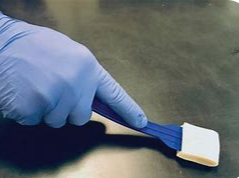
The first step is to identify the bacteria that the system will target. A layered approach to environmental monitoring for organisms, such as Listeria, provides important data to eliminate system vulnerabilities that effectively cover the areas mentioned above. It should include food contact and non-food contact surfaces, and peripheral areas that surround the processing environment to ensure all areas are covered. Heat maps showing the number of positives by zone or area can be helpful in eliminating future failures. Past sites should continue to be monitored as part of the EMP.
On a final note, don’t overlook the use of a 3rd party sanitation group to provide expert advice on how to attack and eliminate microorganisms of concern. They not only can provide the cleaning methods and chemicals for thoroughness in this area, but they typically have a vast amount of knowledge gained through years of experience cleaning multiple facilities and emerging chemical strategies.

Comments